This guide covers the whole Komodo booking decision: private vs shared, deposits, routes and timing. When you are ready to commit, book your Komodo yacht, or jump to the Komodo yacht pricing guide for exact costs.
Understanding Yacht Charter Options
When booking a yacht in Komodo, you have the choice between private and shared charters. Private charters offer exclusivity, allowing you to tailor your itinerary and enjoy privacy. This option is ideal for groups or families seeking a personalized experience. Shared charters, on the other hand, provide a more budget-friendly way to explore, with costs divided among passengers. Prices for shared charters start at around $150 USD per person per day.
Charter companies typically offer vessels certified by the Indonesian Ministry of Transportation, ensuring safety and reliability. The average yacht size ranges from 15 to 30 meters in length, accommodating anywhere from 8 to 20 passengers. It’s crucial to decide which option suits your travel style and budget before booking.
How to Book a Yacht in Komodo
Booking a yacht in Komodo is a straightforward process. Start by researching reputable companies online, many of which have detailed websites outlining their offerings. Look for certifications like the Indonesian Marine Certification to ensure quality. Most companies require a 30% deposit upon booking, with the balance due closer to your departure date.
Payment is typically accepted in USD, and transactions can be made via credit card or bank transfer. Be sure to book well in advance, especially during peak season (June to September), when demand is high. Early booking not only secures your spot but might also offer discounts or promotions.
Exploring Routes and Itineraries
Komodo National Park covers an area of over 1,700 square kilometers, offering diverse routes for exploration. Popular itineraries include the classic route, visiting Komodo Island, Rinca Island, and Pink Beach. This route often spans three days and two nights, providing a comprehensive look at the park’s highlights.
For those with more time, extended routes include visits to Padar Island, known for its panoramic views, and the remote Gili Lawa islands. These itineraries can last up to five days, offering a deeper dive into the park’s natural beauty. The choice of route depends on your interests, time, and budget.
Peak-Season Considerations
Peak season in Komodo runs from June to September, coinciding with the dry season. During this time, weather conditions are ideal for sailing, with calm seas and clear skies. However, increased demand means yachts book up quickly, so early reservations are crucial.
Off-peak months, such as November to March, offer a different experience. While the weather can be unpredictable, with occasional rain, the park is less crowded. Prices during off-peak season can be 20% lower, offering value for those flexible with their travel dates.
Regulations and Certifications
All yachts operating in Komodo National Park must adhere to strict regulations set by the Indonesian government. This includes obtaining necessary permits from the Ministry of Environment and Forestry. Additionally, operators must comply with safety standards enforced by the Ministry of Transportation.
Reputable companies display their certifications and adhere to eco-friendly practices, minimizing impact on the park’s delicate ecosystems. When booking, inquire about the company’s commitment to sustainability and conservation.
Choosing the Right Yacht Charter
Selecting the right yacht charter involves several considerations. Start by evaluating the size of the yacht and its facilities. Larger yachts may offer amenities like air conditioning, en-suite cabins, and dining areas. Consider the level of service, including the expertise of the crew and the quality of onboard dining.
Reading reviews and testimonials can provide insights into the experiences of past travelers. Platforms like TripAdvisor often feature detailed feedback, helping you make an informed decision. Prioritize companies that have a strong reputation for safety, service, and sustainability.
Key Dive Sites in Komodo
Komodo National Park is renowned for its world-class diving spots. Cape Kri is famous for its colourful coral gardens and diverse marine life, including manta rays and reef sharks. Another popular site, Blue Magic, offers encounters with large schools of fish and the occasional hammerhead shark. Manta Sandy is a must-visit for manta ray enthusiasts, providing a chance to see these majestic creatures up close.
Dive operators in the park are required to have certified divemasters on board, ensuring your safety as you explore these underwater wonders. The best diving conditions are during the dry season when visibility can reach up to 30 meters.
Comparing Yacht Charters: Private vs. Shared
Deciding between a private and shared yacht charter depends on several factors:
- Cost: Private charters are more expensive but offer complete control over the itinerary. Shared charters split the cost among passengers.
- Privacy: Private charters provide exclusive use of the yacht, ideal for families or groups. Shared charters are more social.
- Flexibility: Private charters allow for customizable itineraries. Shared charters follow a set route.
Assessing your priorities will help you decide which option best suits your Komodo adventure.
Additional Activities in Komodo
Beyond sailing and diving, Komodo offers a range of activities for adventure seekers. Trekking on Komodo or Rinca Island allows you to see the famous Komodo dragons in their natural habitat. These treks are usually guided by park rangers, ensuring safety and providing insights into the behavior and ecology of these ancient reptiles.
Snorkeling is another popular activity, with spots like Kanawa Island and Batu Bolong offering colourful coral reefs teeming with life. For a cultural experience, visit the local villages on Komodo Island to learn about the traditional way of life of the indigenous people.
Ready to book your Komodo yacht adventure? Visit our homepage to explore our offerings and secure your spot in this marine wonderland. For a tailored luxury experience, consider our Book Yacht Komodo services, ensuring an singular journey through Indonesia’s aquatic treasures.
For more information on Komodo National Park, you can visit the official Indonesia Tourism website or learn about its designation as a UNESCO World Heritage site by visiting UNESCO’s website.
Day-by-Day Routes: What Each Itinerary Actually Covers
Almost every Komodo yacht charter departs from Labuan Bajo harbour on the western tip of Flores. The length you book decides how far south and east the boat can reach, so it helps to picture the days before you commit.
Two-day, one-night route (overnight liveaboard)
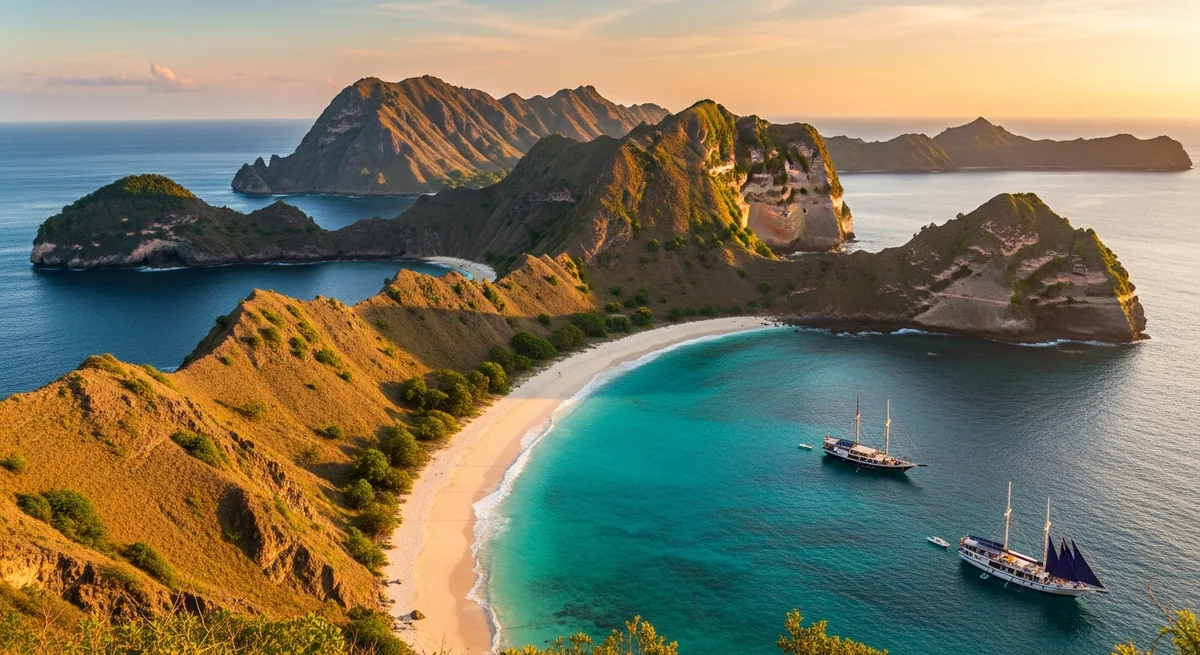
A two-day trip leaves Labuan Bajo around 8 a.m. and heads first to Kelor or Kalong Island for a warm-up snorkel. By early afternoon the boat anchors near Rinca Island for a ranger-guided komodo dragon walk, then moves on to a calm overnight mooring. Day two is an early Padar Island climb for the three-bay viewpoint at sunrise, a stop at Pink Beach for snorkelling over the rose-tinted sand, and a return to Labuan Bajo by mid-afternoon. This is the shortest trip that still reaches Padar, and it suits travellers on a tight Flores schedule.
Three-day, two-night route
The three-day route adds Manta Point, where reef mantas feed on the current, and a second viewpoint such as Gili Lawa Darat. Day one covers Kelor, Menjerite and an overnight near Rinca. Day two is Padar at sunrise, Pink Beach, then Manta Point drift snorkelling, with an overnight in the northern islands. Day three returns slowly through Kanawa or Sebayur for a final reef swim before the harbour. Three days is the most-booked length because it covers the headline sights without rushing.
Four-day, three-night route
Four days reaches the quieter eastern and southern corners: Taka Makassar sandbar, the bat-watching channel at Kalong at dusk, and extra dive sites such as Batu Bolong and Crystal Rock for certified divers. The slower pace means fewer boats at each anchorage and more time in the water. Couples celebrating an occasion and keen divers usually pick this length.
What a Komodo Yacht Charter Costs in USD
Prices move with boat class, cabin count and season. The ranges below reflect typical 2025-2026 rates quoted out of Labuan Bajo and are charged per day for private boats or per person for shared departures.
| Boat class | Private charter (per day) | Shared (per person, per day) |
|---|---|---|
| Standard wooden phinisi (2-4 cabins) | USD 350-700 | USD 150-220 |
| Deluxe phinisi (4-6 cabins, en-suite) | USD 700-1,200 | USD 230-380 |
| Superyacht / luxury phinisi (5-8 cabins) | USD 1,500-4,000+ | not usually shared |
| Speedboat day trip (no overnight) | USD 300-600 | USD 120-180 |
Two costs sit on top of the boat fee and catch many first-time visitors by surprise. The Komodo National Park entry and activity permits run roughly USD 15-25 per person per day depending on the day of the week and whether you dive. A ranger fee of a few dollars applies on each island walk. Reputable operators list these separately so you can see exactly what the headline price does and does not include.
Peak, Shoulder and Green Season: The Real Trade-offs
The dry season from April to early November brings the calmest seas, the clearest water for snorkelling and the steadiest dragon sightings. July, August and the school-holiday weeks are the busiest and the most expensive; popular boats sell out two to four months ahead and anchorages at Padar can hold a dozen boats at sunrise.
May, June, September and October are the shoulder months many regulars prefer: water is still clear, the manta aggregation is reliable, and rates can sit noticeably below the July-August peak. The green season from December to March sees more rain and occasional swell, which closes some southern crossings, but boats are cheaper and the hills turn a vivid green. Manta sightings actually peak in the rainier months because plankton blooms draw them in.
Permits, Park Rules and Safety Checks
Komodo National Park is a protected UNESCO area, so every charter must carry valid park permits and sail with a licensed crew. Before you pay a deposit, ask the operator three direct questions: is the boat insured for passengers, does it carry a marine radio and life jackets sized for everyone aboard, and is there a certified guide for the dragon walks. Honest operators answer without hesitation and can show their permit paperwork. Drone use requires a separate park permit, and feeding or touching wildlife is prohibited.
What to Pack for Life on Board
Cabins are comfortable but compact, so pack light in a soft bag rather than a hard suitcase. Bring reef-safe sunscreen, a rash guard for long snorkel sessions, sturdy sandals for the Padar and Rinca climbs, a dry bag for phones and cameras, and any personal medication including motion-sickness tablets for the open crossings. Power on smaller boats can be limited to set hours, so a power bank is worth carrying. Cash in rupiah is useful for ranger tips and the harbour, as card facilities are rare once you leave Labuan Bajo.
How Far Ahead to Book
For July and August, reserve three to six months out to secure a specific boat and cabin. For the shoulder months, six to eight weeks is usually enough. Green-season departures can often be arranged within a week or two. A 30% deposit confirms your dates, with the balance due 30 days before departure, so locking in early costs nothing extra and protects your preferred itinerary.
Choosing a Boat: Phinisi, Catamaran or Speedboat
The vessel sets the whole tone of the trip, and the three common types in Labuan Bajo behave very differently on the water.
The traditional phinisi
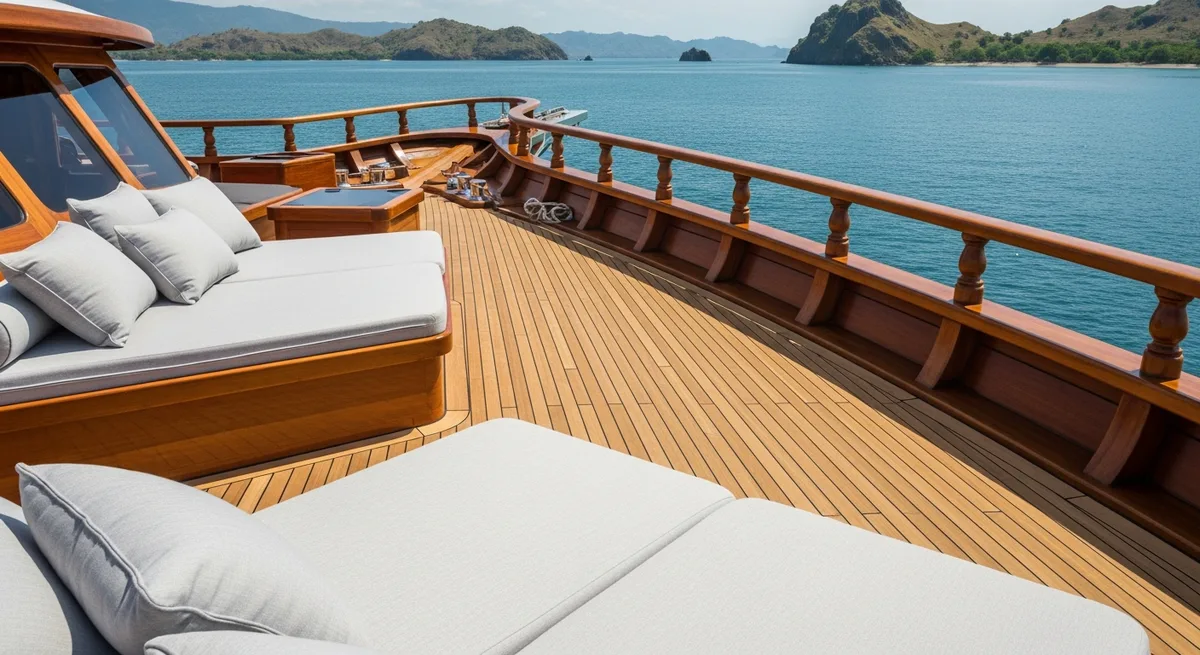
The phinisi is the wooden, two-masted schooner most people picture when they imagine Komodo. Built by Bugis shipwrights in South Sulawesi, modern charter phinisi range from simple four-cabin boats to eight-cabin superyachts with air-conditioning, en-suite bathrooms and a dedicated dive deck. They move slowly, roughly 8-10 knots, which suits the multi-day rhythm of sleeping aboard and waking at a new island each morning. A phinisi is the right choice if the journey itself, not just the sights, is part of what you want.
The catamaran
A handful of sailing and power catamarans now run Komodo routes. Their twin hulls sit flatter in chop, so they are a sensible pick for travellers prone to seasickness or for families who want a steadier platform for children. Cabins tend to be smaller than on a deluxe phinisi, and there are fewer catamarans available, so they book out early in peak months.
The speedboat
Speedboats cover the same headline islands in a single long day, leaving Labuan Bajo at dawn and returning after dark. They are the cheapest way to see Padar, Pink Beach and a komodo dragon walk if you have only one day, but they cannot reach the quieter eastern sites and you miss the sunrise and sunset hours that make the park special. For anyone with two or more days, an overnight boat is almost always the better value.
Dive Sites Worth Planning Around
Komodo sits inside the Coral Triangle, the most biodiverse marine region on earth, and certified divers often build their itinerary around specific sites rather than viewpoints.
- Batu Bolong — a pinnacle wrapped in dense soft coral, best dived at slack tide; strong currents make it an advanced site but the fish life is extraordinary.
- Castle Rock and Crystal Rock — northern seamounts known for grey reef sharks, trevally schools and the occasional eagle ray in the blue.
- Manta Point (Karang Makassar) — a shallow cleaning station where reef mantas gather, suitable for snorkellers as well as divers.
- Cauldron (Shotgun) — a channel drift dive that ends in a gentle wash over a sandy bowl, popular for its predictable manta and shark traffic.
If diving is your priority, confirm the boat carries a compressor and tanks, that the guide ratio is no more than four divers to one instructor, and that your certification level matches the current-prone sites. Several operators will arrange a refresher or a Discover Scuba session for newer divers on request.
Where to Book: Direct, Agent or Marketplace
There are three honest ways to reserve a Komodo yacht, and each has trade-offs. Booking direct with a boat owner can be cheaper but leaves you to vet the vessel and crew yourself. An established charter specialist or concierge handles permits, transfers and contingency planning, and can match you to a boat that fits your budget and group, which is why most first-time visitors choose this route. Online marketplaces list many boats in one place but vary widely in how carefully they screen operators, so read recent reviews and confirm the exact boat, not just a class, before paying.
Whichever channel you use, get the itinerary, the inclusions and the cancellation terms in writing. A clear quote separates the boat fee, the park permits, the meals and any equipment rental so there are no surprises at the harbour.
Common Booking Mistakes to Avoid
A few avoidable errors cost travellers money or time every season. Booking the cheapest speedboat day trip and then wishing you had stayed overnight is the most common regret. Leaving a July booking until June and finding every good boat sold out is a close second. Assuming the headline price includes park fees, then facing an unexpected charge at check-in, frustrates many first-timers. Finally, picking a boat purely on photos without checking the cabin count against your group size can mean sharing tighter quarters than you expected. A short conversation with the operator about dates, group size and budget heads off all four.
Putting It All Together
A good Komodo yacht charter is mostly a question of matching three things: the days you have, the experience you want, and the boat that delivers it. Decide whether you are travelling for the viewpoints, the diving or the slow pleasure of life aboard, pick the route length that fits, and book early enough to get the vessel you actually want. From there a 30% deposit holds your dates, and the balance settles 30 days before you sail.
A First-Timer’s Booking Walkthrough
If you have never chartered a boat before, the process is simpler than it looks once you break it into steps. Start by fixing your travel window and the number of nights you can give to the water; that single decision rules out boats that do not run your dates. Next, settle your group size and budget band, because a couple on a deluxe phinisi and a family of six on a standard boat are looking at very different shortlists.
With those two facts in hand, ask an operator for two or three boats that fit, and request the full itinerary and a line-by-line quote for each. Compare what is actually included: meals, drinking water, snorkel gear, park permits and the airport transfer. When one option feels right, confirm the exact vessel and cabin, read the cancellation terms, and pay the 30% deposit to lock the dates. You will usually receive a packing list and a meeting point in Labuan Bajo, and the balance falls due 30 days before departure. The whole exchange, from first enquiry to confirmed booking, often takes less than a day over WhatsApp.
Matching the Route to Your Travellers
The right itinerary depends as much on who is aboard as on the sights. Honeymooners and couples usually value the quieter four-day route, where early starts beat the crowds at Padar and the eastern anchorages stay empty. Families with younger children often do best on a three-day trip on a steadier boat, with shorter island walks and plenty of shallow snorkelling at Pink Beach and Kanawa. Groups of friends watching their budget can split a shared three-day departure and still see every headline island. Certified divers should build around the northern seamounts and plan a four-day trip so the boat can reach Castle Rock and Crystal Rock without rushing the surface intervals.
There is no single best Komodo charter, only the one that fits your dates, your people and the kind of days you want on the water. Get those three right and the rest of the planning falls into place quickly.